

A Comprehensive Guide to the German B1 Certificate: Your Path to Fluency in German
The German language has progressively ended up being one of the most popular languages to find out, opening doors to amazing career chances, college, and cultural enrichment. If you're amongst the numerous students striving to master German, acquiring the German B1 certificate is an essential milestone in your language-learning journey. But what does the certificate represent, and why is it so important? This post delves into the information of the German B1 certificate, including its significance, how to prepare for it, and the benefits of accomplishing this level of proficiency.
What is the German B1 Certificate?
The German B1 certificate is a globally recognized language efficiency credential that accredits a medium-level understanding of German, as defined by the Common European Framework of Reference for Languages (CEFR). CEFR is a widely pre-owned system for determining and explaining language capability across six levels, varying from A1 (newbie) to C2 (competent). The B1 level marks the threshold where students acquire the necessary tools to operate separately in social and practical situations while maintaining basic communication skills.
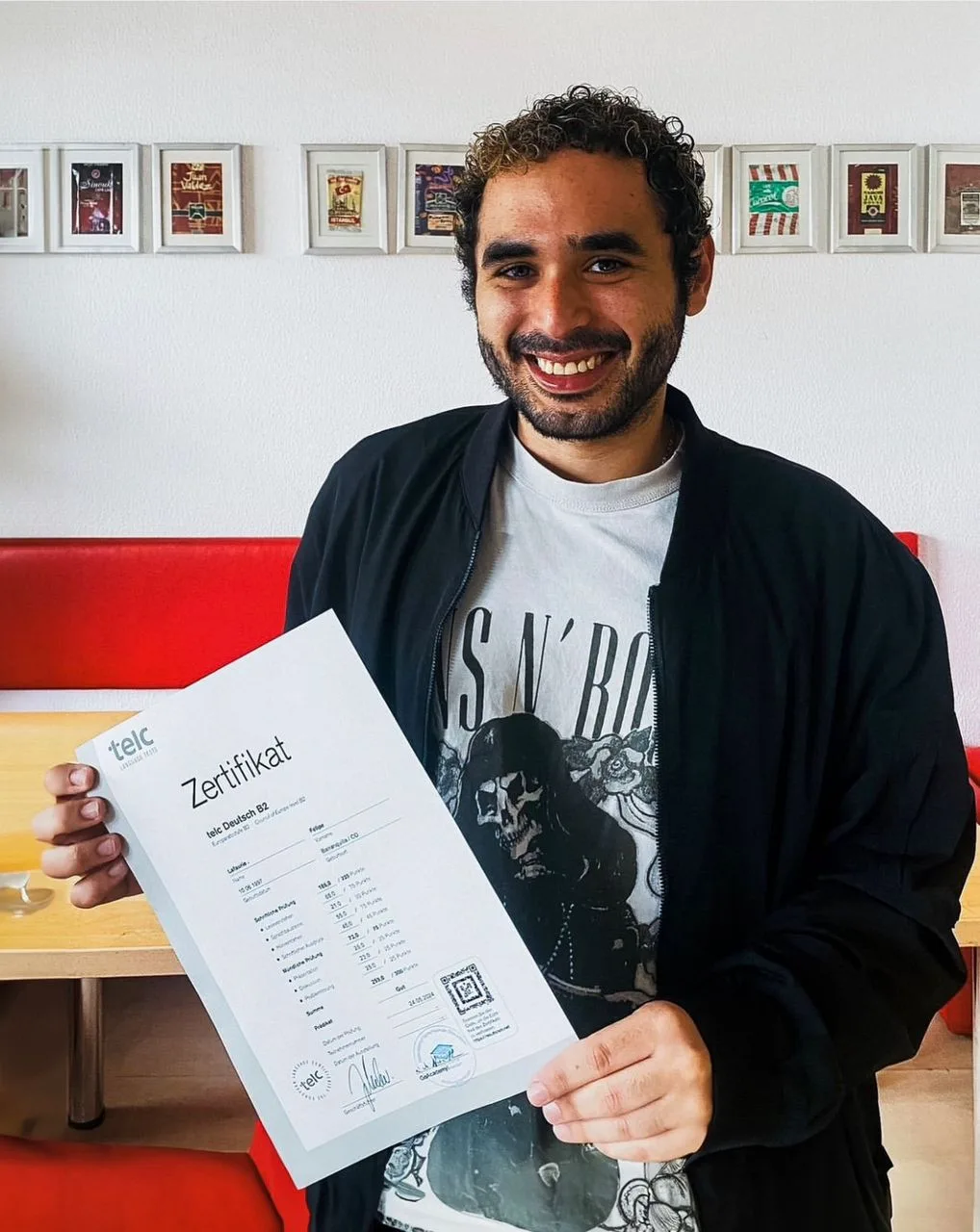
In easier terms, the B1 certificate shows that you have actually reached an intermediate level of efficiency in German. At this stage, you must be able to:
Hold discussions and express yourself in routine circumstances.
Understand the bottom lines of texts on familiar subjects connected to work, school, leisure, and daily life.
Explain experiences, occasions, and aspirations, and briefly explain your opinions or plans.
Use easy language to browse difficulties, such as travel or shopping, in a German-speaking nation.
Whether you aim to study in Germany, work with a German company, or simply enjoy your travels with ease, reaching B1 is considered a considerable milestone.
Why Should You Earn the B1 Certificate?
The German B1 certificate is much more than simply a test result. It serves as an official proof of your German abilities that can open lots of expert, academic, and personal doors. Here are b1 zertifikat prüfung that you must think about making it:
1. Admission to German Universities:
For those thinking about studying in Germany, B1 is frequently the minimum language efficiency required for specific preparatory courses (Studienkolleg) before enrolling in degree programs. While higher levels like B2 or C1 may be required for particular courses, showing B1 proficiency can mark your entry into the German education system.
2. Job Opportunities in Germany:
Germany is renowned for its robust economy and many job opportunities, especially in fields like engineering, health care, and IT. The B1 certificate can improve your resume and help you qualify for positions where intermediate German abilities are needed, even in English-speaking offices.
3. German Citizenship or Residency:
For those preparing to settle in Germany, achieving B1 efficiency is typically part of the integration process. The German federal government may need applicants for irreversible residency or citizenship to show proof of B1-level skills through an officially acknowledged exam, in addition to understanding of German culture and laws.
4. Practical Use in Daily Life:
If you prepare to reside in a German-speaking country, B1 is a practical level that allows you to engage in day-to-day interactions with confidence. From attending parent-teacher conferences and making doctor visits to requesting directions and mingling, B1 German will assist you incorporate into society with ease.
5. Entrance to Advanced Learning:
Securing the B1 certificate can inspire you to advance to higher levels, such as B2 or C1, where you'll gain even greater fluency in German.
How to Prepare for the B1 Certificate
Getting ready for the German B1 certificate needs a mix of coursework, consistent practice, and immersion in the language. Here are some reliable ideas and resources to help you succeed:
1. Understand the Exam Format:
The most popular B1-level German proficiency tests are provided by recognized institutions like the Goethe-Institut (Goethe-Zertifikat B1), ÖSD, telc, and TestDaF. Although formats may differ, the exams typically assess four crucial proficiencies:
Reading: Understanding written texts such as ads, e-mails, and brief posts.
Listening: Comprehending spoken language in daily contexts, such as announcements or informal conversations.
Writing: Crafting letters, reports, or individual reflections.
Speaking: Engaging in discussion and providing short discussions or viewpoints.
Make certain to acquaint yourself with the particular structure and scoring criteria of the exam you pick.
2. Enroll in a German Course:
Language schools, online platforms, and Goethe-Institut centers worldwide offer B1-specific courses created to guide students through grammar, vocabulary, and communication abilities. Depending upon your schedule and finding out preferences, you can select in between in-person classes, virtual classrooms, or self-paced online courses.
3. Usage Online Resources:
Explore complimentary and budget-friendly online resources, such as:
Apps: Duolingo, Babbel, and Memrise for interactive vocabulary and grammar practice.
YouTube Channels: Like "Learn German with Anja" or "Deutsch für Euch," which provide bite-sized lessons.
Grammar Guides: Websites like Deutsche Welle and Lingoda use excellent composed resources tailored to B1 students.
4. Immerse Yourself in German:
Immersion plays a crucial function in getting ready for the B1 certificate. Try listening to German podcasts, seeing TV shows or motion pictures with subtitles, and reading papers or blog sites in German. If possible, practice speaking German with native speakers or sign up with language exchange groups.
5. Take Practice Tests:
Replicating the exam experience with practice tests can help you develop time management abilities and determine locations that require improvement. Numerous language institutes and online platforms use mock tests for B1 exams.
Tips for Success
Set Clear Goals: Decide why you wish to achieve the B1 certificate and keep those objectives in mind throughout your studies.
Study Consistently: Dedicate time every day to discovering and practicing German, even if it's just 20-- 30 minutes.
Focus on Weak Areas: Be truthful with yourself about your strengths and weaknesses. Devote additional time to tough locations, whether it's grammar, pronunciation, or listening.
Stay Motivated: Celebrate small success along the method, like mastering a challenging grammar rule or holding your first discussion without doubt.
What's Next After Achieving the B1 Certificate?
Making your German B1 certificate is a stepping stone toward greater linguistic and expert accomplishments. After sprachzertifikat b1 , you may intend for the B2 efficiency level, which enables you to reveal yourself a lot more with complete confidence and with confidence in professional and scholastic settings. With each new milestone, your ability to engage with German-speaking cultures and chances grows.
Final Thoughts
The German B1 certificate signifies not only your development as a language student but also your ability to navigate real-world circumstances in German with confidence and independence. Whether your objective is scholastic, professional, or personal, achieving B1 efficiency is a fulfilling action toward fluency and cultural combination. So, take the plunge, immerse yourself in the language, and take pleasure in the journey of mastering German!